What Is a Rain Barrel and Can It Help Your Xeriscape?
How Much Water Does Xeriscaping Actually Save?
Rain Barrels and Xeriscape: Getting the Most Out of Every Drop
A xeriscape yard is already doing a lot to reduce how much water you use, but pairing it with a rain barrel water collection system is where things get genuinely satisfying. You're not just using less municipal water — you're capturing what falls on your property and putting it directly back into your landscape. It closes the loop in a way that feels right.
The setup is simpler than most people expect, and the payoff shows up fast, especially if you're in a region with periodic heavy rains between dry stretches.
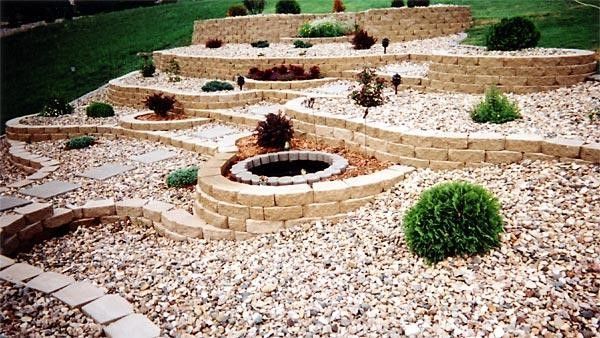
Drought-Tolerant Landscaping
Use low-water plants and smart design to create beautiful, sustainable yards that thrive in dry climates—click to learn how it can save water and reduce maintenance.

Front & Backyard Design Ideas
Blend function and beauty with customized layouts, plant choices, and hardscape features tailored to your lifestyle—click to explore design inspiration for every outdoor space.
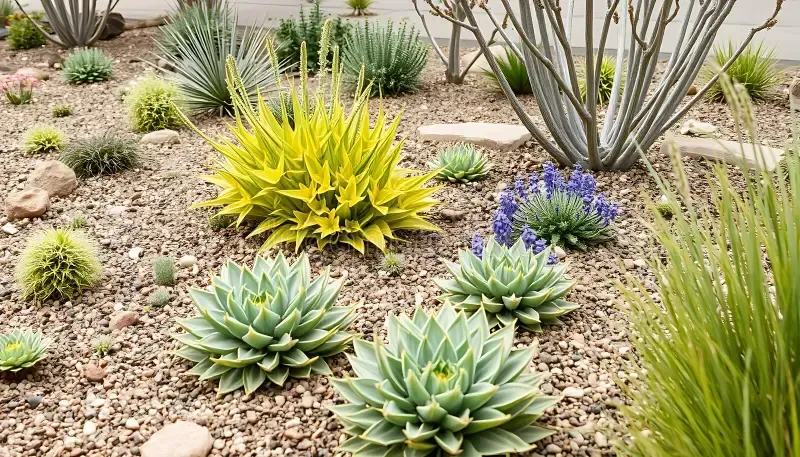
Xeric Garden & Native Plant Installations
Combine low-water, climate-adapted plants with natural design to create thriving landscapes that celebrate local beauty and require minimal upkeep—click to discover how native species can transform your yard.
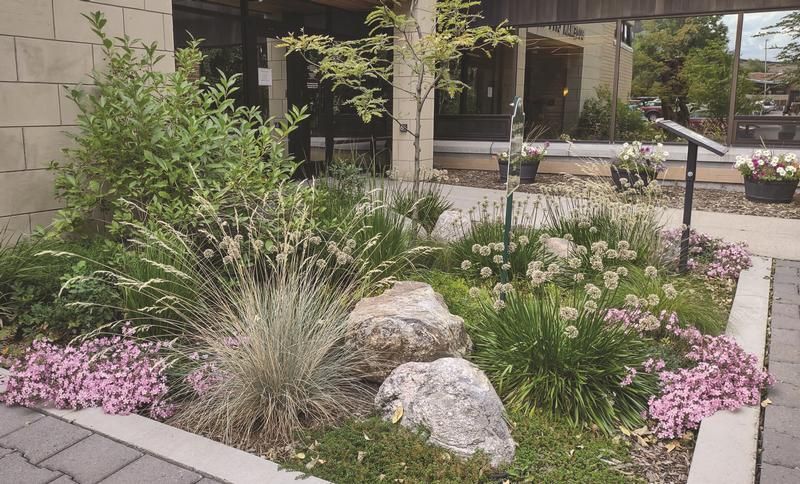
Commercial & HOA Xeriscaping
Delivers water-efficient, low-maintenance landscaping solutions tailored for businesses and communities—click to see how xeriscape design enhances curb appeal while cutting irrigation costs.
How much water you're actually collecting
This is the part that surprises people. A single inch of rainfall on a 1,000-square-foot roof generates roughly 600 gallons of runoff. Most of that disappears down the driveway, into storm drains, and eventually somewhere that isn't your garden. A standard 50-gallon rain barrel captures a small fraction of that, which is why serious xeriscapers often daisy-chain two or three barrels together, or graduate to a larger cistern over time.
Even a single barrel connected to one downspout adds up meaningfully over a season. If you get a half-inch rain every couple of weeks through spring and early summer, you could easily collect 150 to 200 gallons during your plants' most critical establishment period — all without touching your water meter.
Setting one up without overcomplicating it
Most rain barrels work the same way: they connect to a downspout via a diverter kit, fill from the top, and dispense through a spigot near the base where you can attach a hose or fill a watering can. The diverter is the key component — it routes water into the barrel when it's not full, and automatically redirects overflow back down the downspout when it is, so you never end up with a flood next to your foundation.
Placement matters more than people think. You want the barrel elevated — on cinder blocks or a purpose-built stand — because gravity is what gives you water pressure at the spigot. Even six to twelve inches of elevation makes a real difference in how well water flows out. Put it low to the ground and you'll be fighting a trickle.
Also worth thinking through: which downspout to connect to. Choose one close to the garden area you irrigate most, or be prepared to run a longer hose. Connecting to a downspout on the shaded, north-facing side of your house and then dragging water to a sunny garden bed on the south side is an annoying problem that's easy to avoid upfront.
Where the collected water fits into a xeriscape routine
Rain barrel and xeriscape water collection works especially well for two specific situations: newly planted areas that need regular watering during establishment, and container plants or raised beds that dry out faster than in-ground plantings.
Established xeriscape plants in the ground genuinely don't need much supplemental water once their root systems are developed — that's the whole point. But in year one or two, while things are getting settled, having a barrel full of free rainwater ready to go is exactly the kind of resource that makes the difference between plants that thrive and plants that just survive.
For containers, rain barrel water is ideal. It's unchlorinated, which some plants — especially edibles and native wildflowers — respond to noticeably better than tap water. And since containers need watering more frequently than anything else in a drought-tolerant yard, having a dedicated source close by saves both water and time.
A few things that catch people off guard
Mosquitoes are the most common complaint, and they're easy to prevent: any barrel worth buying has a fine-mesh screen over the inlet. Don't improvise without one.
Check your local regulations before you install anything. Most states actively encourage rainwater harvesting, but a handful have restrictions — particularly in the arid West, where water rights law is complicated and old. It's a five-minute search that's worth doing.
And finally, use the water. This sounds obvious, but a barrel that sits full through a dry stretch because you forgot about it isn't doing anything for your garden. Build it into your routine — check the level when you're out in the yard, use it first before reaching for the hose. The whole point of integrating rain barrel collection into a xeriscape system is to make every raindrop count twice: once when it falls, and again when you put it exactly where it's needed.
Get a Free Quote
Get the lawn or garden of your dreams. It’s easier than you think! Contact us today and we’ll beautify your home or commercial property. Call us at 719-414-7100 or send us a message using the form below and we’ll get back to you as soon as we can.
