
How to Transition a Traditional Lawn to Xeriscape Without Starting Over
How Much Water Does Xeriscaping Actually Save?
If your grass is more brown patches and water bills than lush green paradise, you're probably already halfway to making the switch. Transitioning a traditional lawn to xeriscape isn't about turning your yard into a gravel wasteland — it's about designing something that actually works with your climate instead of fighting it every single week.
The hardest part isn't planting new stuff — it's getting rid of the old turf. You've got a few options. Solarization is slow but low-effort: cover sections of lawn with clear plastic sheeting for six to eight weeks during the hottest part of summer. The heat cooks the grass and weed seeds underneath. It's not glamorous, but it works.
If you're in a hurry, sheet mulching (sometimes called lasagna composting) is faster. Lay down cardboard directly over the grass — overlapping the edges so nothing sneaks through — then pile on four to six inches of wood chip mulch on top. The cardboard smothers existing vegetation and breaks down into the soil over a few months. You can plant right through it once it softens up.
Avoid herbicides if you can, especially if you're planning a yard where kids or pets spend time. The solarization and sheet mulching methods are slower, but you're not introducing anything into your soil you'll regret later.
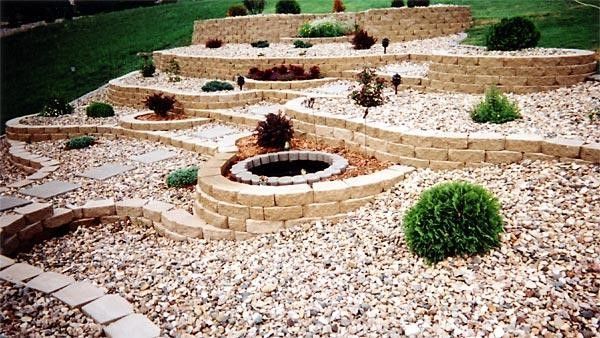
Drought-Tolerant Landscaping
Use low-water plants and smart design to create beautiful, sustainable yards that thrive in dry climates—click to learn how it can save water and reduce maintenance.
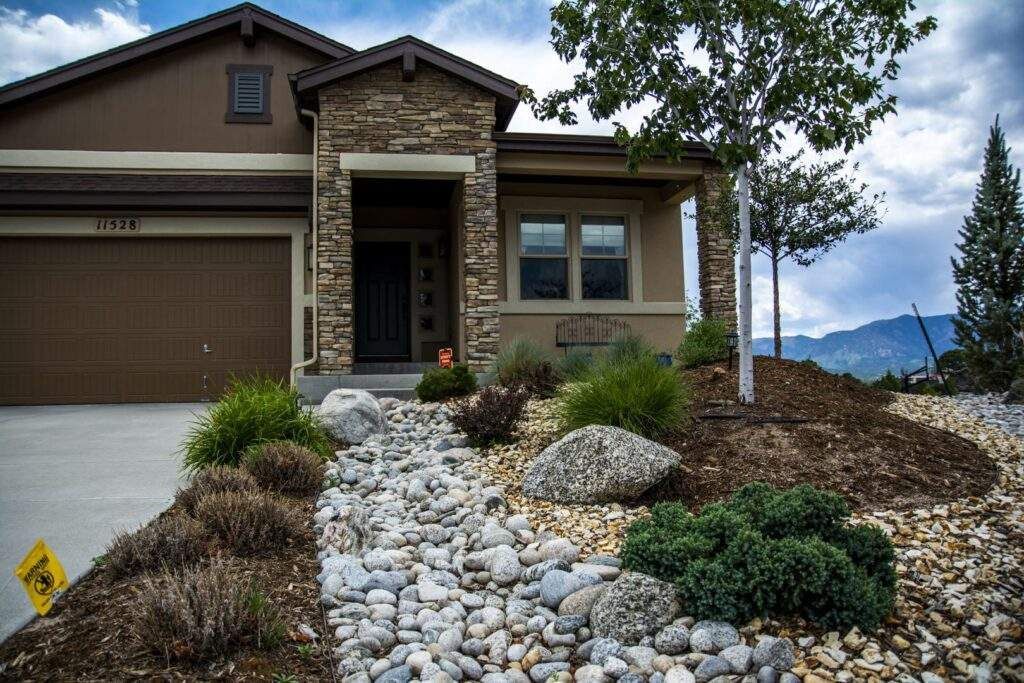
Front & Backyard Design Ideas
Blend function and beauty with customized layouts, plant choices, and hardscape features tailored to your lifestyle—click to explore design inspiration for every outdoor space.
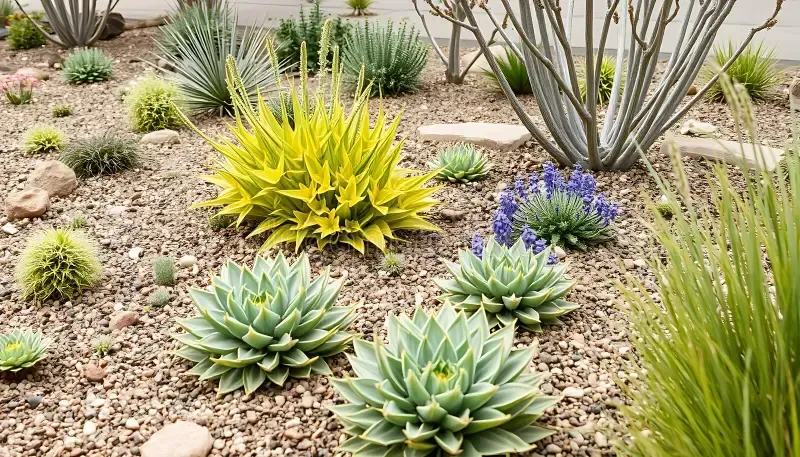
Xeric Garden & Native Plant Installations
Combine low-water, climate-adapted plants with natural design to create thriving landscapes that celebrate local beauty and require minimal upkeep—click to discover how native species can transform your yard.
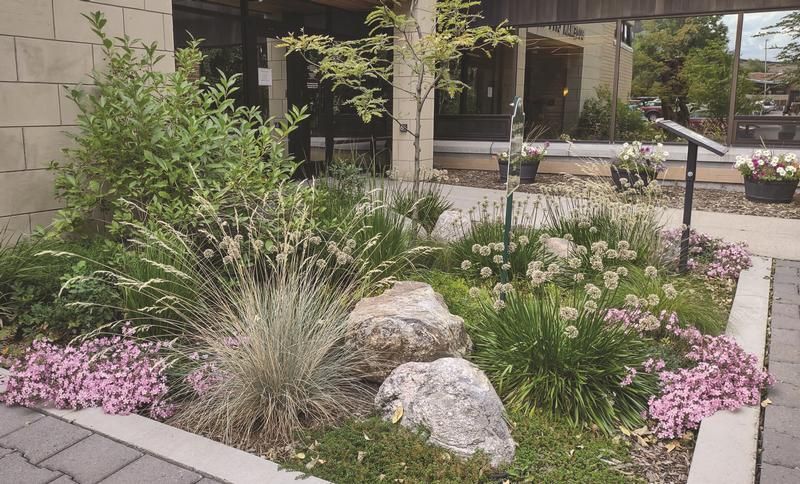
Commercial & HOA Xeriscaping
Delivers water-efficient, low-maintenance landscaping solutions tailored for businesses and communities—click to see how xeriscape design enhances curb appeal while cutting irrigation costs.
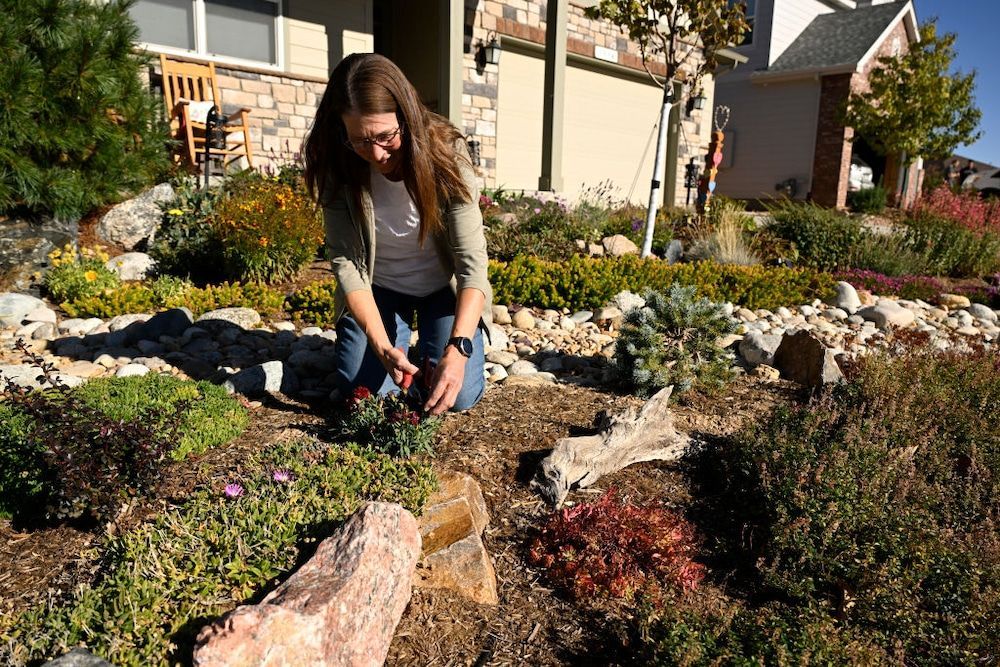
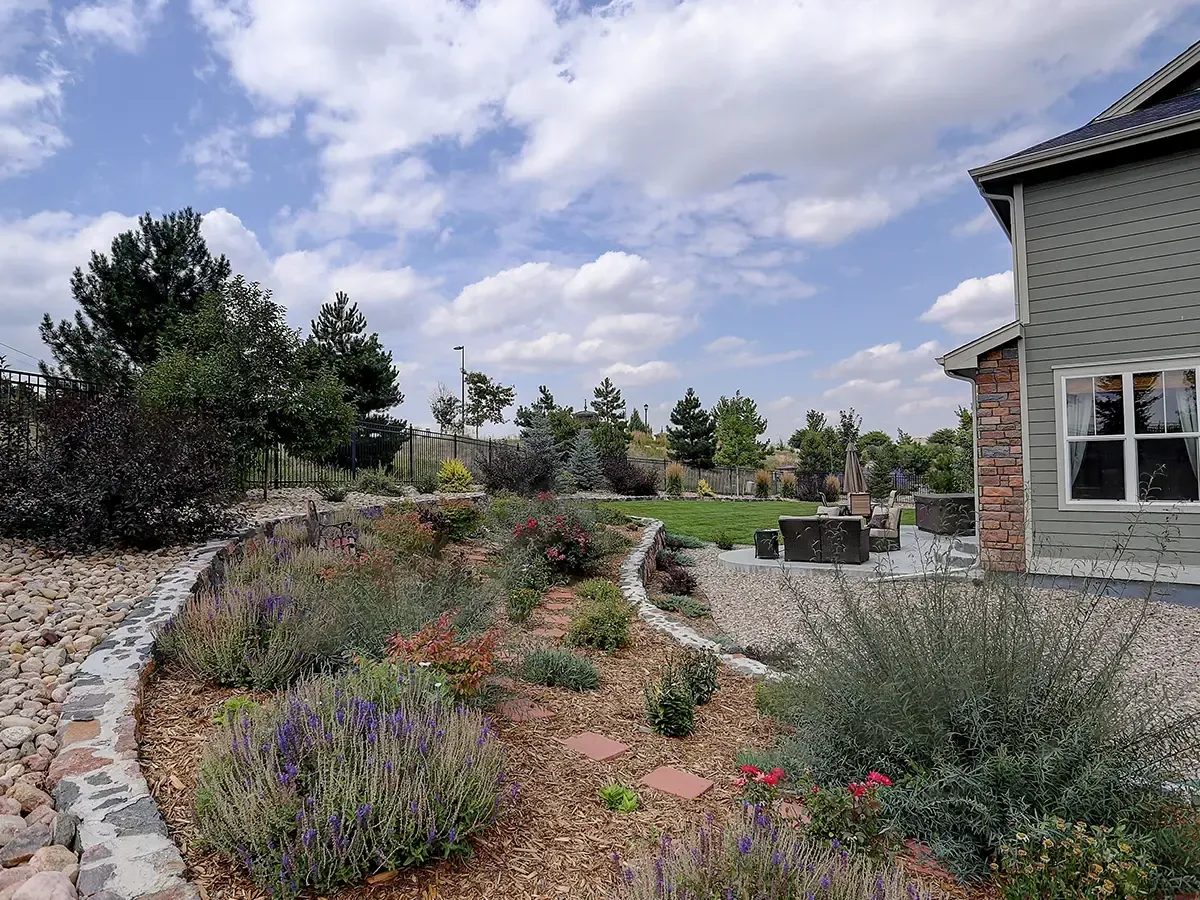
Think in zones before you buy a single plant
Before you go to the nursery and get distracted by everything that looks pretty, map out your yard. Which areas get full sun all day? Which spots stay shady and a little damp? Where does water pool after rain? Knowing this before you spend money on plants is the difference between a yard that thrives and one that just slowly dies in the wrong spots.
Xeriscape design groups plants by water needs — high-use zones near the house where you might keep a few containers or a small herb garden, transitional zones with moderate-water plants, and then the outer areas where drought-tolerant natives and low-water perennials can mostly take care of themselves once established.
Choose plants that belong there
This is where it gets fun. Native plants are your best friends here because they've spent thousands of years adapting to your exact climate, soil, and rainfall patterns. They don't need you to coddle them.
Depending on where you live, that might mean lavender, salvia, ornamental grasses, agave, coneflowers, black-eyed Susans, or desert willows. Locally-owned nurseries almost always carry regionally appropriate selections, and the staff usually know what actually performs well versus what just looks good on the tag.
One thing people underestimate: groundcovers. Low-growing plants like creeping thyme, sedum, or buffalo grass can cover large areas, suppress weeds, and tolerate foot traffic — all while using a fraction of the water a traditional lawn demands.
Soil and mulch do more work than you'd think
Most lawns have compacted, nutrient-depleted soil underneath all that turf. Before planting, it's worth amending with compost — a few inches worked into the top layer gives roots something to work with and improves water retention dramatically.
Then mulch everything. Three to four inches of organic mulch around your plants does several things at once: it holds moisture in, keeps soil temperatures stable, suppresses weeds, and breaks down over time to feed your soil. It's one of the highest-return moves in the whole process.
Watering while things get established
Here's the thing nobody tells you: even drought-tolerant plants need regular water during their first growing season while roots are developing. You're not done watering — you're just watering smarter. A drip irrigation system or soaker hoses deliver water directly to roots, where it's needed, instead of evaporating off leaves and pavement.
Once plants are established — usually after one to two full growing seasons — you'll be amazed how little intervention they need. That's the payoff.
If you're hoping to completely transition a traditional lawn to xeriscape in a single weekend, recalibrate. Most people tackle it in sections over one to three years, which is actually fine — it's less overwhelming, easier on the budget, and gives you time to learn what's working before you commit to the whole yard.
Start with the highest-maintenance area. Kill the grass, amend the soil, plant, mulch, and watch. By the time you're ready to move to the next section, you'll have figured out what you'd do differently — and you'll have a genuinely beautiful patch of low-water landscape to motivate you.
The long-term trade is a good one: less mowing, lower water bills, more wildlife, and a yard that looks intentional instead of just… existing. It's worth the patience.
Get a Free Quote
Get the lawn or garden of your dreams. It’s easier than you think! Contact us today and we’ll beautify your home or commercial property. Call us at 719-414-7100 or send us a message using the form below and we’ll get back to you as soon as we can.
