
How to Maintain a Xeriscape Yard Through All Four Seasons
How Much Water Does Xeriscaping Actually Save?
What Xeriscape Yard Maintenance Actually Looks Like Through All Four Seasons
The promise of a xeriscape yard is less work — and it's a promise that holds up. But "less work" doesn't mean "no work," and the work that remains is spread across the year in ways that look different from traditional lawn care. Once you understand the rhythm, it becomes genuinely enjoyable rather than a chore list. You're working with the seasons instead of against them.
Here's what to actually expect, month by month in spirit if not to the letter, since every region runs on its own schedule.
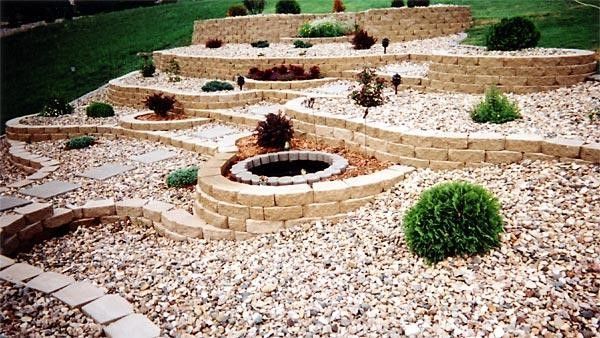
Drought-Tolerant Landscaping
Use low-water plants and smart design to create beautiful, sustainable yards that thrive in dry climates—click to learn how it can save water and reduce maintenance.

Front & Backyard Design Ideas
Blend function and beauty with customized layouts, plant choices, and hardscape features tailored to your lifestyle—click to explore design inspiration for every outdoor space.
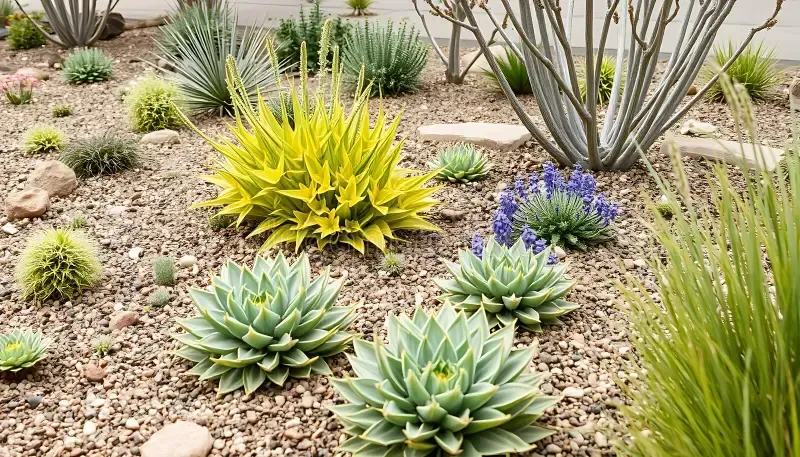
Xeric Garden & Native Plant Installations
Combine low-water, climate-adapted plants with natural design to create thriving landscapes that celebrate local beauty and require minimal upkeep—click to discover how native species can transform your yard.

Commercial & HOA Xeriscaping
Delivers water-efficient, low-maintenance landscaping solutions tailored for businesses and communities—click to see how xeriscape design enhances curb appeal while cutting irrigation costs.
Spring: The season that sets everything up
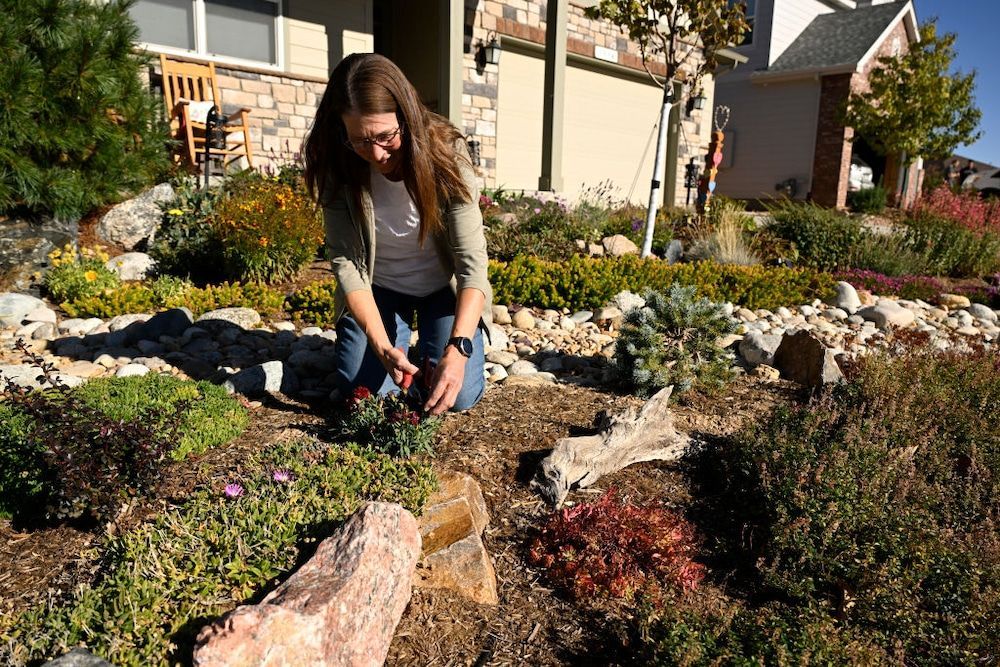
Spring is your most active season, and it's worth treating it that way. This is when you do the bulk of your planting — soil is workable, temperatures aren't brutal yet, and new plants have the whole growing season ahead of them to establish roots before summer stress hits.
Start with a walkthrough. Pull any winter weeds before they set seed, because a weed that seeds in spring becomes dozens of problems by fall. Refresh your mulch layer where it's thinned out over winter — you want three to four inches across your beds going into the heat. Divide any perennials that have outgrown their space, cut back ornamental grasses that you left standing through winter for structure and bird habitat, and do a quick check on drip irrigation lines for clogs or damage before you actually need them.
Spring is also when you'll do most of your fertilizing, if you do it at all. Most established xeriscape plantings in healthy soil don't need much — over-fertilizing native plants actually tends to produce leggy, weak growth — but a light top-dressing of compost around younger plants gives them a good start.
Summer: Mostly watching, some watering
If you've done spring right, summer is largely hands-off for established plants. Your job shifts to monitoring rather than managing. Check soil moisture around anything planted in the last year or two — those plants still need support during heat spikes even if the older ones don't. Run drip irrigation in the early morning when temperatures are lower and evaporation is minimal.
Deadhead spent blooms on plants that rebloom — salvias, coneflowers, and agastache all put out more flowers if you remove the old ones — but leave seed heads on plants that feed birds. That's a deliberate choice, not neglect. Keep an eye out for pests, though a well-planted xeriscape with healthy biodiversity tends to regulate itself better than a monoculture lawn ever did.
Weeding is lighter in summer once mulch is doing its job, but a quick pass every few weeks prevents anything opportunistic from getting established.
Fall: The underrated season for xeriscape work
Fall is when a lot of xeriscapers do their second-best planting window. Cooler temperatures and (in many regions) more reliable rainfall give new plants a gentler introduction than summer heat, and they spend the winter quietly developing root systems before spring growth begins. If you missed planting something in spring, fall is your second chance.
This is also when you plant spring-blooming bulbs if you want them, overseed any bare spots, and add the compost or soil amendments you want breaking down over winter. Cut back plants that are truly done for the season, but leave the ones with interesting structure — seed heads, dried grasses, skeletal perennial stems — standing through winter. They look good under frost and snow, and they're shelter and food for birds and beneficial insects.
Winter: Less than you think
Honest xeriscape yard maintenance across all four seasons will tell you that winter is mostly about leaving things alone. Dormant plants don't need water in most climates unless you're in an unusually warm, dry stretch with no precipitation. They don't need pruning. They don't need much of anything except the mulch you put down in fall protecting their root zones from freeze-thaw cycles.
Use winter as planning time instead. Walk the yard on mild days and notice what worked, what underperformed, where there are gaps you want to fill in spring. Catalog what bloomed when, what attracted the most pollinators, what plant you wish you'd put somewhere else. A xeriscape improves over years, not just seasons, and the observations you make in winter become the decisions that make next year's garden better than this one.
The full rhythm of xeriscape yard maintenance through all four seasons is lighter than most people expect and more satisfying than a weekly mowing schedule ever managed to be. You're tending something that's genuinely growing and changing — not just keeping grass at a uniform height.
Get a Free Quote
Get the lawn or garden of your dreams. It’s easier than you think! Contact us today and we’ll beautify your home or commercial property. Call us at 719-414-7100 or send us a message using the form below and we’ll get back to you as soon as we can.
