
The Biggest Xeriscape Mistakes Homeowners Make and How to Avoid Them
How Much Water Does Xeriscaping Actually Save?
The Xeriscape Mistakes Homeowners Make (And How to Avoid Them)
Most people who end up with a disappointing xeriscape yard didn't make one big error — they made a handful of small ones that compounded. The good news is they're almost all avoidable if you know what to watch for before you start digging.
Treating it like a one-and-done project
The number one misconception is that xeriscaping is purely a set-it-and-forget-it situation. You plant drought-tolerant stuff, stop watering, and nature handles the rest. That's not quite how it works.
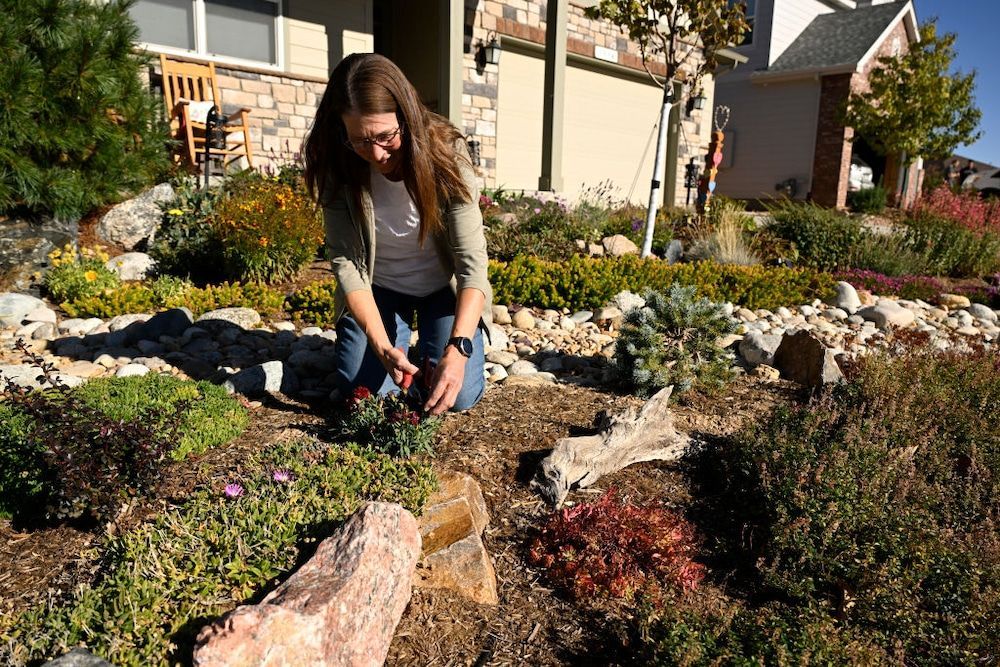
Newly planted xeriscape gardens need consistent, regular watering for their first full growing season — sometimes two. Roots take time to establish, and if you underwater during that window, you'll lose plants that would have thrived for decades with just a little early patience. The low-maintenance reputation is real, but it's earned over time, not immediate.
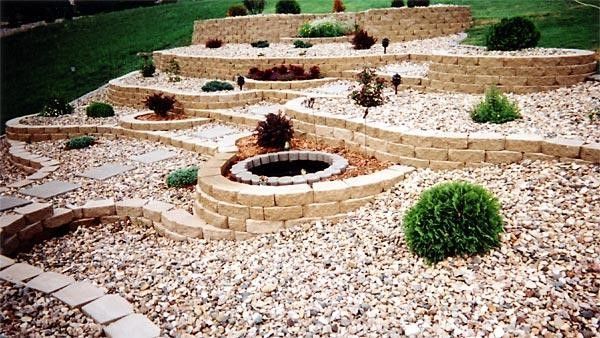
Drought-Tolerant Landscaping
Use low-water plants and smart design to create beautiful, sustainable yards that thrive in dry climates—click to learn how it can save water and reduce maintenance.
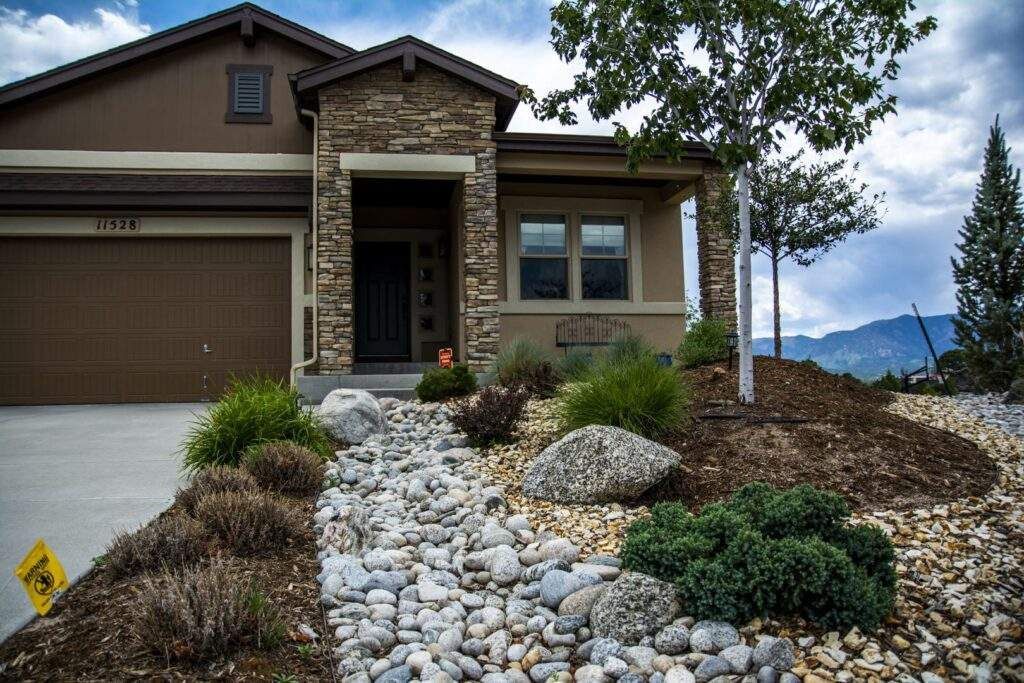
Front & Backyard Design Ideas
Blend function and beauty with customized layouts, plant choices, and hardscape features tailored to your lifestyle—click to explore design inspiration for every outdoor space.
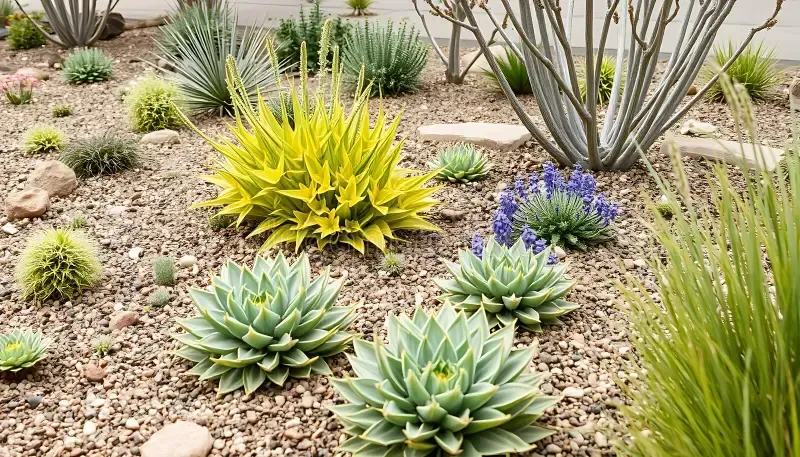
Xeric Garden & Native Plant Installations
Combine low-water, climate-adapted plants with natural design to create thriving landscapes that celebrate local beauty and require minimal upkeep—click to discover how native species can transform your yard.
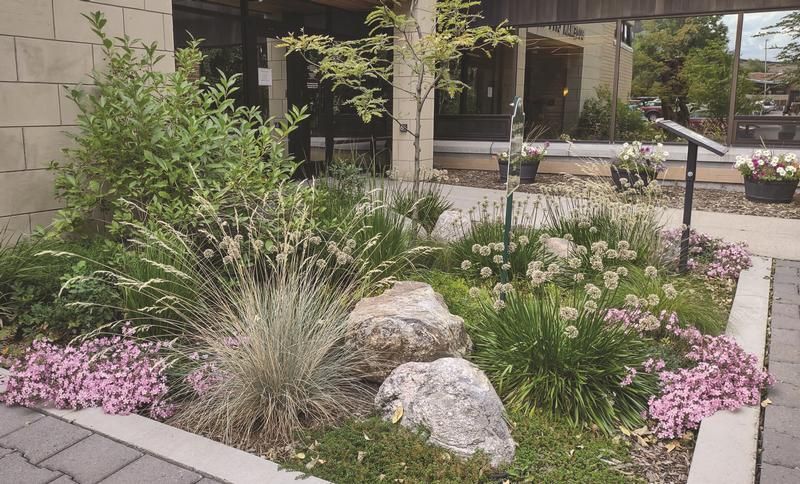
Commercial & HOA Xeriscaping
Delivers water-efficient, low-maintenance landscaping solutions tailored for businesses and communities—click to see how xeriscape design enhances curb appeal while cutting irrigation costs.
Skipping the soil work
Here's where a lot of people quietly sabotage their own project. They remove the old lawn, buy good plants, and stick them straight into whatever compacted, nutrient-stripped soil was underneath. Then they wonder why everything looks stressed six weeks later.
Xeriscape plants are tough, but they're not magic. Healthy soil with good drainage and some organic matter gives roots a reason to grow deep — and deep roots are what make a plant genuinely drought-tolerant. Spend a few hours amending with compost before you plant anything. It's the least glamorous step and also one of the most important ones.
Buying plants based on looks instead of place
Nurseries are dangerous places when you don't have a list. Everything looks good in a four-inch pot, and it's easy to come home with an armful of plants that are technically drought-tolerant but wrong for your specific conditions — too much shade, the wrong soil pH, a climate that's close but not quite right.
One of the most common xeriscape mistakes homeowners make is grabbing whatever's labeled "low water" without checking whether it actually belongs in their region. A plant that thrives in the Sonoran Desert may sulk and die in the mid-Atlantic. Native plants — things that evolved in your specific area — are almost always the safer, smarter bet. They've already figured out how to survive your winters, your soil, and your rainfall patterns. Lean on them heavily, especially for the bulk of your planting.
Going too heavy on rock and gravel
Rock-heavy xeriscaping became so associated with water-wise landscaping that a lot of homeowners assume more rock equals better results. It doesn't.
Too much gravel and decorative rock creates a heat trap. On a hot summer day, a yard that's mostly rock radiates heat back up into plants and raises the ambient temperature significantly — which means plants actually need more water to cope, not less. It also does nothing for your soil over time and can make the space feel sterile and hard to change later if you want to.
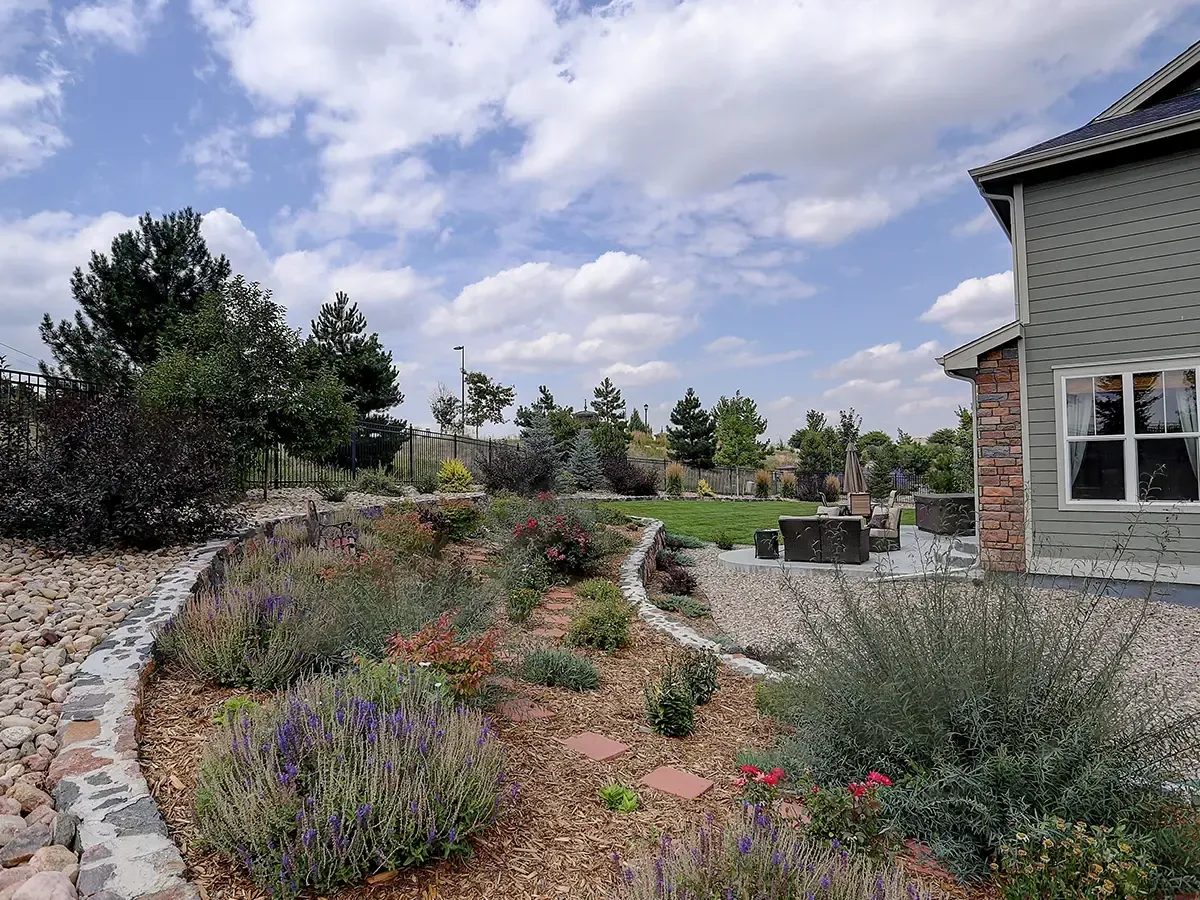
Rock and gravel have their place — pathways, accent areas, under large shrubs where moisture retention isn't the goal — but the backbone of a successful xeriscape is living plant material and organic mulch, not hardscape.
Forgetting that mulch is doing serious work
Speaking of mulch: a lot of homeowners either skip it entirely or apply a thin, decorative layer that doesn't actually do anything. Three to four inches of organic mulch around your plants isn't just aesthetic — it's actively holding moisture in the soil, regulating soil temperature, suppressing weeds, and feeding the soil as it breaks down.
If your plants are sitting in bare dirt or a half-inch of rock chips, you're working against yourself every time the temperature climbs. Mulch well, refresh it every year or two, and you'll spend a lot less time watering and weeding than you expected.
Not grouping plants by water needs
This one tends to bite people who place plants based on visual composition alone. If a high-water plant ends up next to a low-water one, you're stuck: water enough for one and you're drowning the other, water for the drought-tolerant plant and the thirsty one suffers.
Thoughtful plant placement — what landscape designers call "hydrozoning" — means grouping plants with similar water needs together. It makes irrigation easier, reduces waste, and keeps everything healthier. It's also just a more logical way to design a yard, and once you start thinking about it, it's hard to stop.
The xeriscape mistakes homeowners make most often aren't dramatic failures — they're small oversights in planning that show up later as dead plants, disappointing growth, or a yard that needs more maintenance than expected. Get the soil right, choose plants that belong in your region, mulch generously, and give new plantings time to settle in. The low-maintenance, high-beauty yard you're picturing is genuinely achievable — it just needs a solid start.
Get a Free Quote
Get the lawn or garden of your dreams. It’s easier than you think! Contact us today and we’ll beautify your home or commercial property. Call us at 719-414-7100 or send us a message using the form below and we’ll get back to you as soon as we can.
