How to Attract Hummingbirds and Butterflies With a Xeriscape Garden
How Much Water Does Xeriscaping Actually Save?
How to Attract Hummingbirds and Butterflies to Your Xeriscape Garden
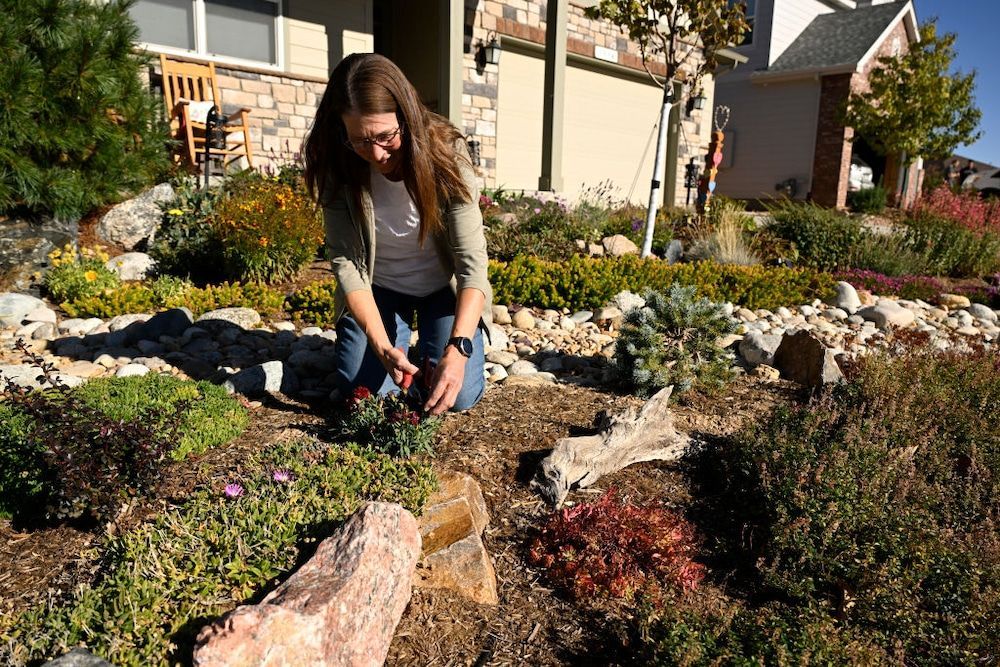
One of the unexpected pleasures of switching to a drought-tolerant yard is how quickly the wildlife shows up. A well-planted xeriscape isn't a barren landscape — it's often more alive than a traditional lawn, because the plants you're working with are exactly what native pollinators evolved alongside. You're not fighting nature anymore, and they notice.
But there's a difference between a xeriscape that occasionally gets a butterfly passing through and one that becomes a genuine destination. The plants you choose, how you arrange them, and a few small decisions about what else you add to the space make a bigger difference than most people realize.
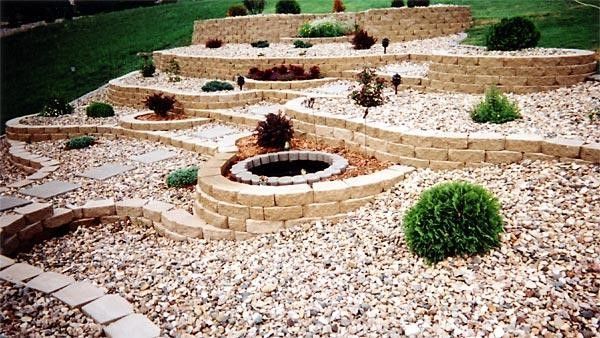
Drought-Tolerant Landscaping
Use low-water plants and smart design to create beautiful, sustainable yards that thrive in dry climates—click to learn how it can save water and reduce maintenance.

Front & Backyard Design Ideas
Blend function and beauty with customized layouts, plant choices, and hardscape features tailored to your lifestyle—click to explore design inspiration for every outdoor space.
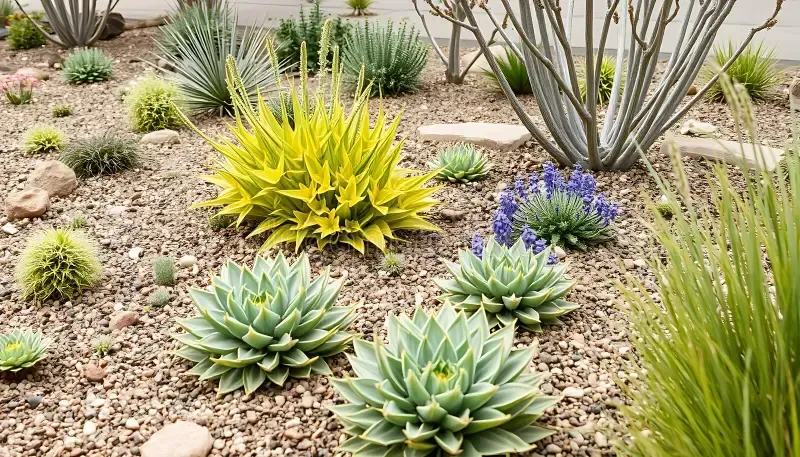
Xeric Garden & Native Plant Installations
Combine low-water, climate-adapted plants with natural design to create thriving landscapes that celebrate local beauty and require minimal upkeep—click to discover how native species can transform your yard.
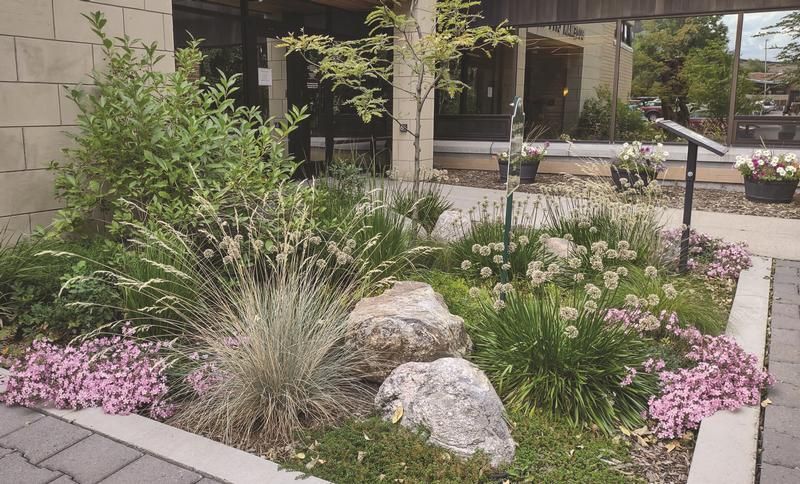
Commercial & HOA Xeriscaping
Delivers water-efficient, low-maintenance landscaping solutions tailored for businesses and communities—click to see how xeriscape design enhances curb appeal while cutting irrigation costs.
Flowers that hummingbirds genuinely can't resist
Hummingbirds are drawn to tubular flowers — the shape fits their bills — and they have a strong preference for red and orange, though they'll visit plenty of other colors too. The good news is that many of the best hummingbird plants are also drought-tolerant workhorses that belong in a xeriscape anyway.
Salvias are probably the single best investment here. There are hundreds of varieties, most are low-water once established, and hummingbirds treat them like a buffet. Salvia greggii (autumn sage) blooms for months and comes in red, pink, coral, and white. Salvia guaranitica has deep blue-violet flowers that hummingbirds visit constantly. Both are tough, easy to grow, and look great even when nothing is blooming nearby.
Beyond salvia, consider agastache (hyssop), which blooms in spikes of orange, pink, or purple and attracts both hummingbirds and butterflies simultaneously. Penstemon is another reliable choice — it's native across much of North America, handles dry conditions beautifully, and produces the tubular red and pink flowers hummingbirds specifically seek out. Trumpet vine is aggressive and needs a strong structure, but if you have the right spot for it, hummingbirds will visit it almost daily.
What butterflies are actually looking for
Butterflies need two different things from a garden, and a lot of people only provide one. They need nectar sources for feeding as adults, and they need host plants — specific plants where they'll lay eggs and where their caterpillars can eat. If you only plant nectar flowers, you'll get butterfly visitors but you won't get a population. Add host plants, and you'll start seeing the whole cycle.
Milkweed is the obvious example: monarch butterflies can only lay their eggs on milkweed, and their caterpillars only eat it. There are native milkweed species suited to nearly every region of the country, most are drought-tolerant, and planting them is one of the most direct things a single homeowner can do for monarch conservation. It's also not the scraggly weed the name implies — some species have beautiful orange-and-yellow flowers that look intentional in a garden setting.
For nectar, coneflowers (echinacea) are consistently one of the top butterfly plants and they thrive in dry conditions. Lantana is another powerhouse — butterflies pile onto it when it's blooming, it handles heat and drought with ease, and it blooms for a long season. Native asters, black-eyed Susans, and verbena round out a solid butterfly nectar palette without demanding much water.
The design details that make your yard a destination
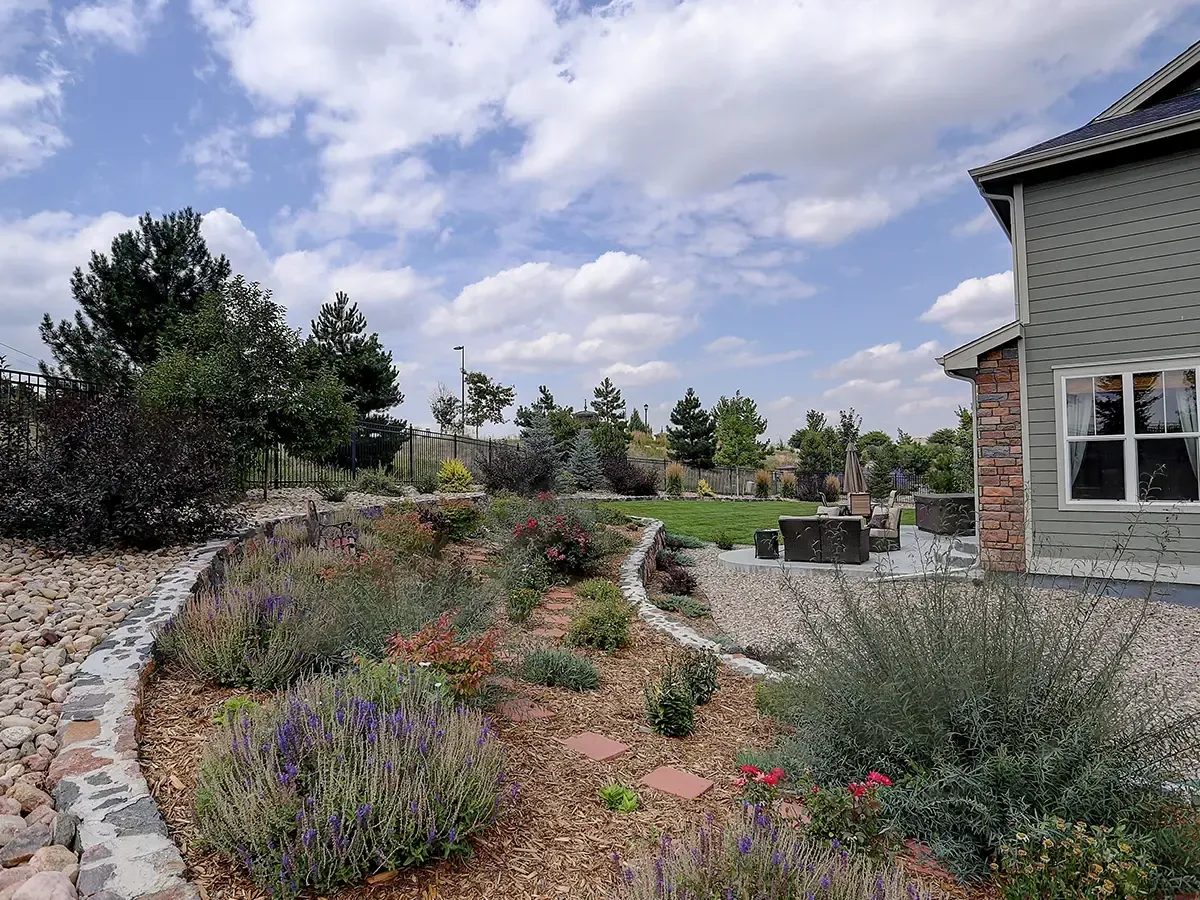
Beyond individual plant choices, a few structural decisions help you attract hummingbirds and butterflies to a xeriscape garden more reliably. Bloom succession matters — if everything in your yard flowers in June and nothing else blooms until fall, you'll have a busy few weeks followed by a quiet yard. Stagger your plantings so something is always in flower from early spring through late fall, and you'll have consistent visitors all season.
Flat, sun-warmed stones are worth adding if you have space. Butterflies bask — they need external heat to regulate their body temperature — and a few strategically placed rocks in a sunny spot give them a reason to linger rather than just pass through.
Water is less obvious but genuinely important. Hummingbirds love moving water and will visit a small fountain or mister regularly. Butterflies prefer very shallow water — a dish of wet sand or a shallow bowl with pebbles just barely submerged is enough. Neither requires much space or expense, and both meaningfully increase how long visitors stick around.
The best part about designing a xeriscape garden to attract hummingbirds and butterflies is that it pushes you toward better plant choices in general. Native plants, long bloom times, layered structure — these are the things that make a low-water garden beautiful anyway. The wildlife is just confirmation that you got it right.
Get a Free Quote
Get the lawn or garden of your dreams. It’s easier than you think! Contact us today and we’ll beautify your home or commercial property. Call us at 719-414-7100 or send us a message using the form below and we’ll get back to you as soon as we can.
