How to Use Rocks and Gravel in a Xeriscape Without It Looking Industrial
How Much Water Does Xeriscaping Actually Save?
How to Actually Use Rocks and Gravel in Xeriscape Design (Without Making Your Yard Look Like a Parking Lot)
Rock and gravel get a bad reputation in xeriscape circles — and honestly, some of it is deserved. Spend five minutes scrolling through poorly executed drought-tolerant yards and you'll see why: wall-to-wall white gravel, a few sad cacti, and nothing else. It looks punishing, not designed.
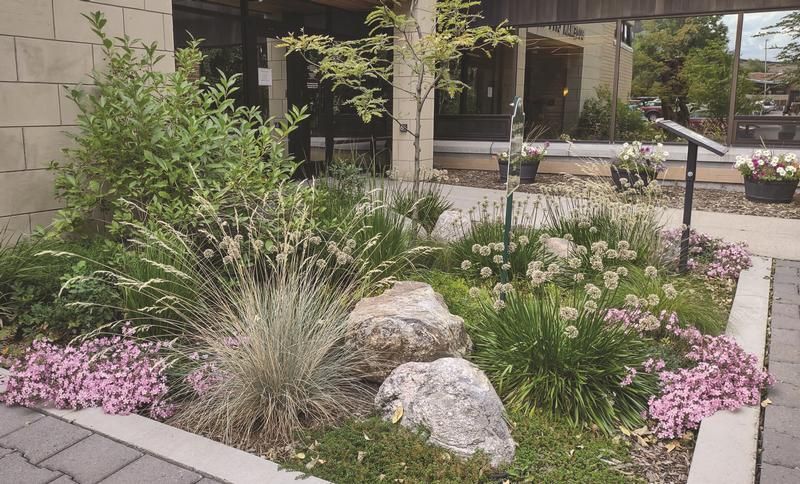
But used thoughtfully, rock and gravel are genuinely powerful tools. They add texture, define space, manage drainage, and create contrast that makes plants pop. The difference between a yard that looks like an afterthought and one that looks intentional almost always comes down to how the hardscape elements are handled.
Variety is what makes it work
One of the fastest ways to upgrade a rock-heavy yard is to stop treating gravel as a single material. There's an enormous range of options — decomposed granite, river rock, pea gravel, crushed basalt, flagstone, Mexican beach pebbles — and they behave differently, look different, and serve different purposes.
Decomposed granite compacts well and works beautifully as a path material or in areas where you want a naturalistic, sandy look. River rock, especially in the two-to-four-inch range, is better suited for drainage channels and dry creek beds where it mimics the way water actually moves. Small pea gravel is comfortable underfoot and makes a good filler between stepping stones or around container plants. Larger boulders — actual boulders, not just big rocks — anchor a design and give the eye a place to land.
When you layer different sizes and textures together rather than using one uniform material across the whole yard, the result reads as designed instead of default.
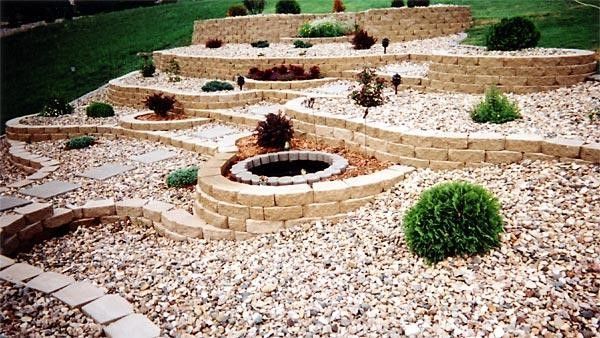
Drought-Tolerant Landscaping
Use low-water plants and smart design to create beautiful, sustainable yards that thrive in dry climates—click to learn how it can save water and reduce maintenance.
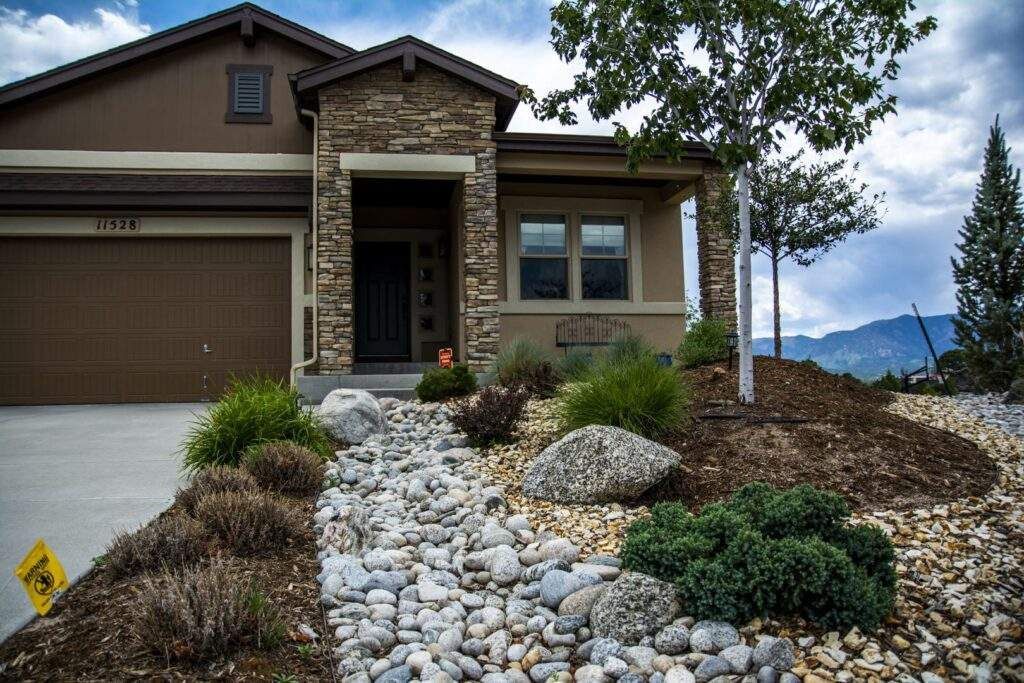
Front & Backyard Design Ideas
Blend function and beauty with customized layouts, plant choices, and hardscape features tailored to your lifestyle—click to explore design inspiration for every outdoor space.
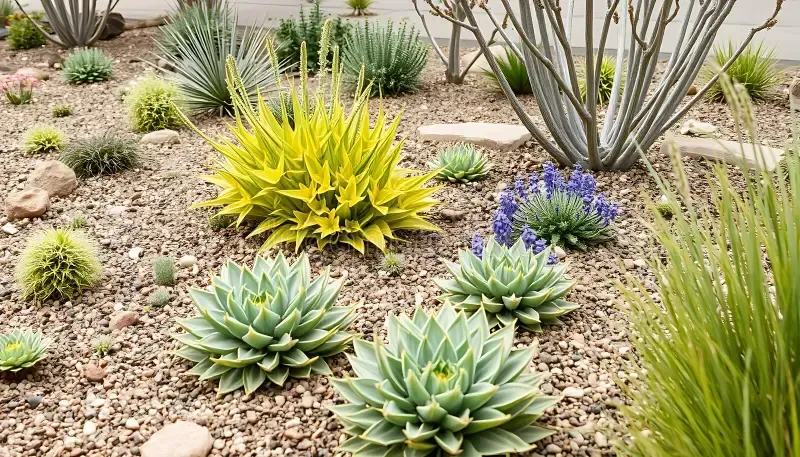
Xeric Garden & Native Plant Installations
Combine low-water, climate-adapted plants with natural design to create thriving landscapes that celebrate local beauty and require minimal upkeep—click to discover how native species can transform your yard.
Commercial & HOA Xeriscaping
Delivers water-efficient, low-maintenance landscaping solutions tailored for businesses and communities—click to see how xeriscape design enhances curb appeal while cutting irrigation costs.
The dry creek bed is worth taking seriously
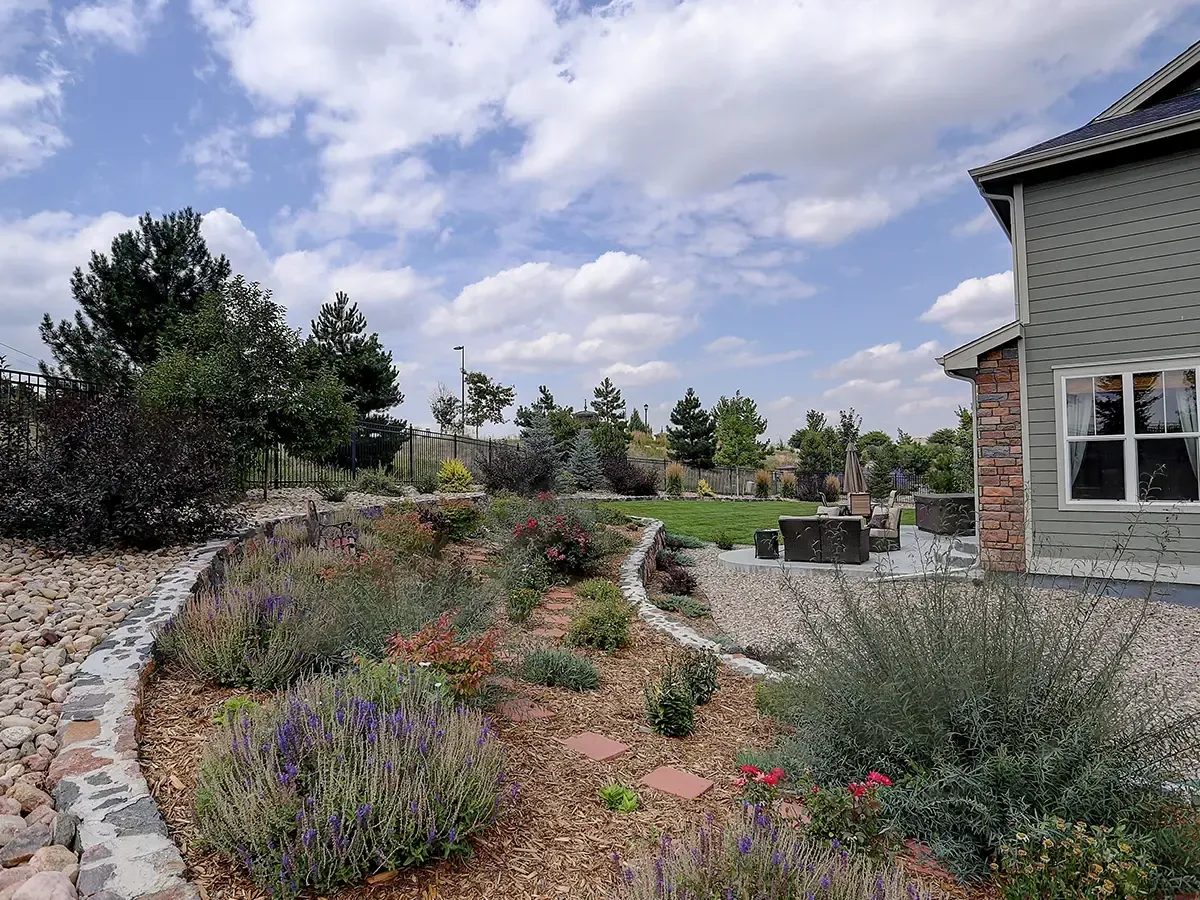
If there's one element from rocks-and-gravel xeriscape design ideas that's genuinely earned its popularity, it's the dry creek bed. Done well, it solves a real problem — managing stormwater runoff across a yard — while looking like a deliberate, attractive feature.
The key is making it look like water actually carved it. That means varying the rock sizes (larger stones on the outside edges where "current" would have moved slower, smaller gravel and sand in the center channel), following the natural contour of your yard rather than forcing a straight line, and letting it meander. A dry creek bed that curves around a large shrub or disappears under a ground cover plant reads as natural. One that runs in a rigid diagonal across the yard does not.
Planting along the edges matters too. Low ornamental grasses, creeping groundcovers, and drought-tolerant perennials softening the rock edges are what take it from "pile of rocks" to "landscape feature."
Rock as contrast, not carpet
The biggest conceptual shift that improves most rock-heavy xeriscapes is thinking of gravel and stone as contrast material rather than filler. Its job isn't to cover ground — it's to make the plants around it look better.
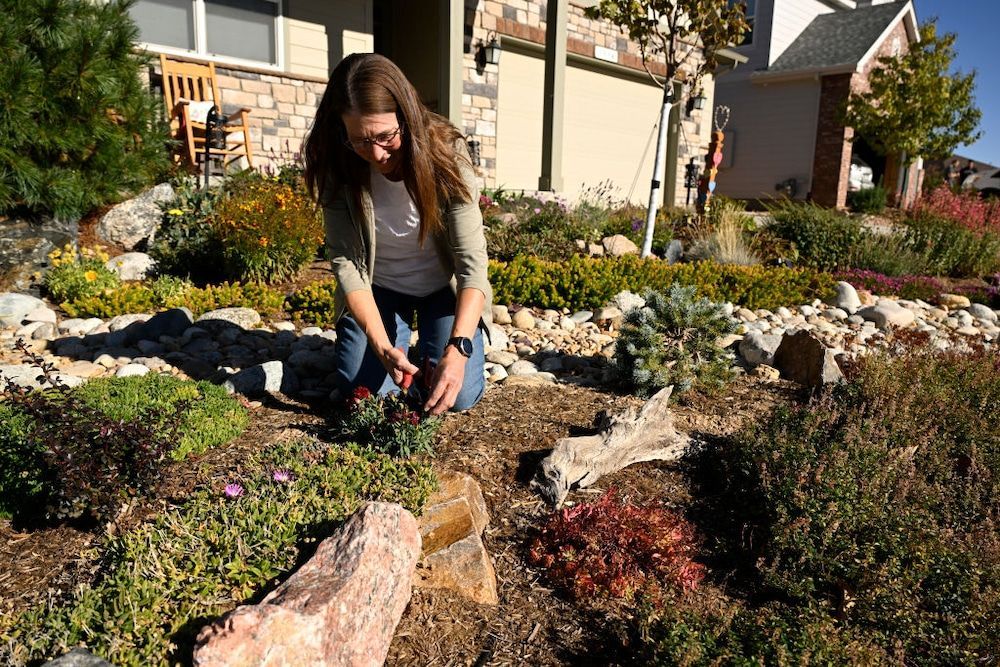
A mass of blue grama grass or a sprawling salvia looks more dramatic against a clean bed of dark crushed basalt than it does surrounded by bare dirt. A few smooth river stones placed deliberately around the base of an agave draw the eye and give the planting a finished quality. Flagstone stepping stones through a groundcover planting create visual rhythm and practical function at the same time.
When rock is used this way — intentionally, in specific places, for specific reasons — it elevates the whole design. When it's used to avoid planting, it just looks like someone gave up.
A few practical things to get right
Landscape fabric under gravel is almost always a mistake in the long run. It prevents organic matter from working into the soil, roots push up through it over time, and weeds eventually establish on top of it in the decomposed layer that forms above the fabric. A thick layer of gravel alone — three inches or more — suppresses weeds more reliably and doesn't cause problems five years down the road.
Also worth knowing: light-colored gravel reflects heat and light upward, which can stress plants in hot climates and create an uncomfortably bright yard. Darker stone absorbs more heat but doesn't bounce it onto foliage the same way. In hot, sunny regions, this is a real design consideration, not just an aesthetic one.
The rocks-and-gravel xeriscape design ideas that actually age well are the ones where stone feels like part of a living landscape — something that frames and supports the plants around it — rather than a replacement for thinking about what to grow. Get that balance right, and it's one of the most visually interesting approaches to a low-water yard there is.
Get a Free Quote
Get the lawn or garden of your dreams. It’s easier than you think! Contact us today and we’ll beautify your home or commercial property. Call us at 719-414-7100 or send us a message using the form below and we’ll get back to you as soon as we can.
