How Much Water Can Xeriscaping Actually Save You?
How Much Water Does Xeriscaping Actually Save?
The numbers are legitimately impressive once you look at them. Research from water utilities and university extension programs consistently shows that a well-designed xeriscape can reduce outdoor water use by 50 to 75 percent compared to a conventional lawn-based landscape. In arid and semi-arid regions — the Southwest, Southern California, parts of the Mountain West — that reduction can be even higher, sometimes approaching 80 percent or more when a traditional turf lawn is replaced with well-chosen native and drought-adapted plants.
The Best Xeriscape Plants for the High Desert (That Actually Thrive)
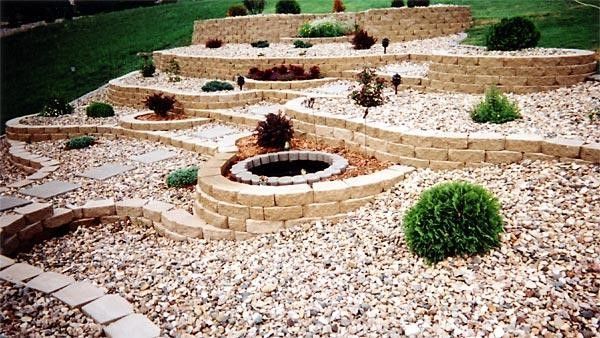
Drought-Tolerant Landscaping
Use low-water plants and smart design to create beautiful, sustainable yards that thrive in dry climates—click to learn how it can save water and reduce maintenance.
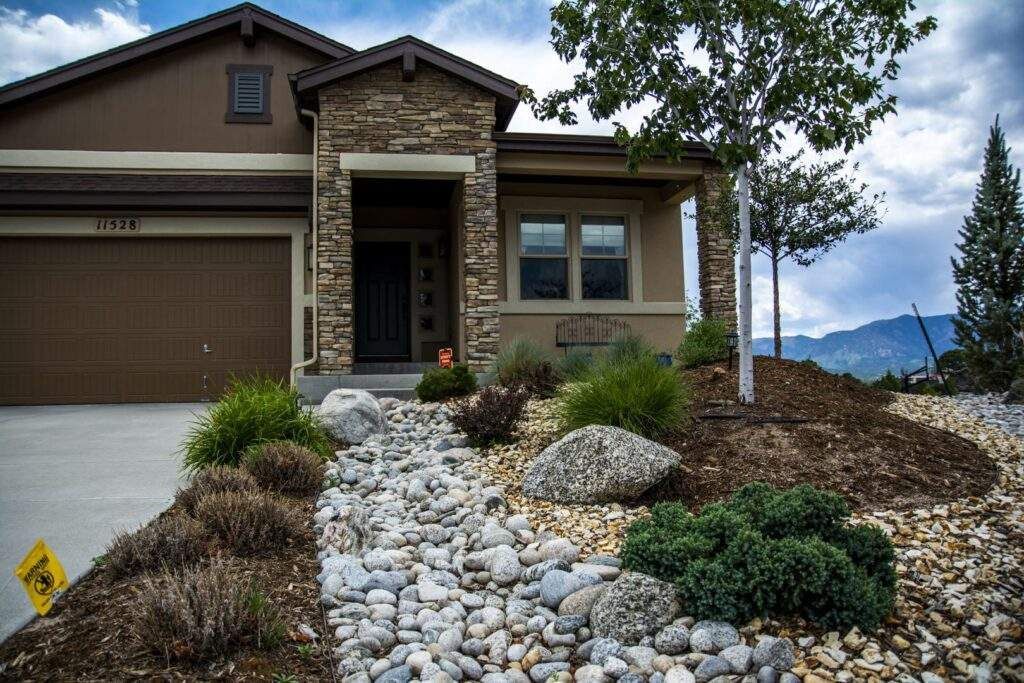
Front & Backyard Design Ideas
Blend function and beauty with customized layouts, plant choices, and hardscape features tailored to your lifestyle—click to explore design inspiration for every outdoor space.
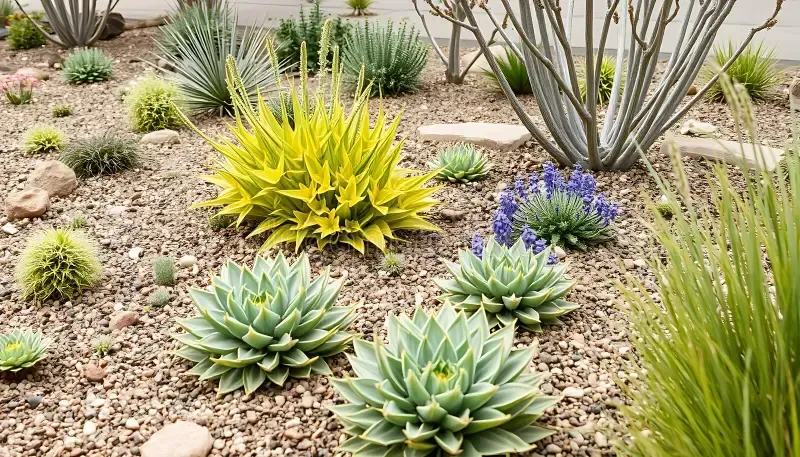
Xeric Garden & Native Plant Installations
Combine low-water, climate-adapted plants with natural design to create thriving landscapes that celebrate local beauty and require minimal upkeep—click to discover how native species can transform your yard.
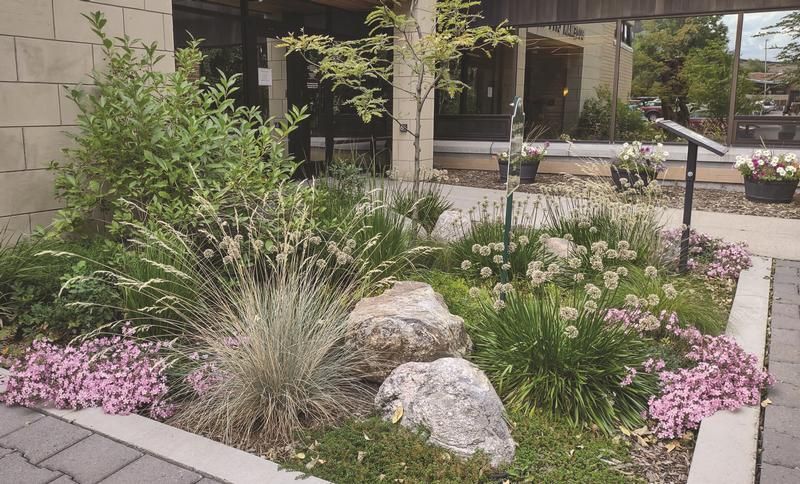
Commercial & HOA Xeriscaping
Delivers water-efficient, low-maintenance landscaping solutions tailored for businesses and communities—click to see how xeriscape design enhances curb appeal while cutting irrigation costs.
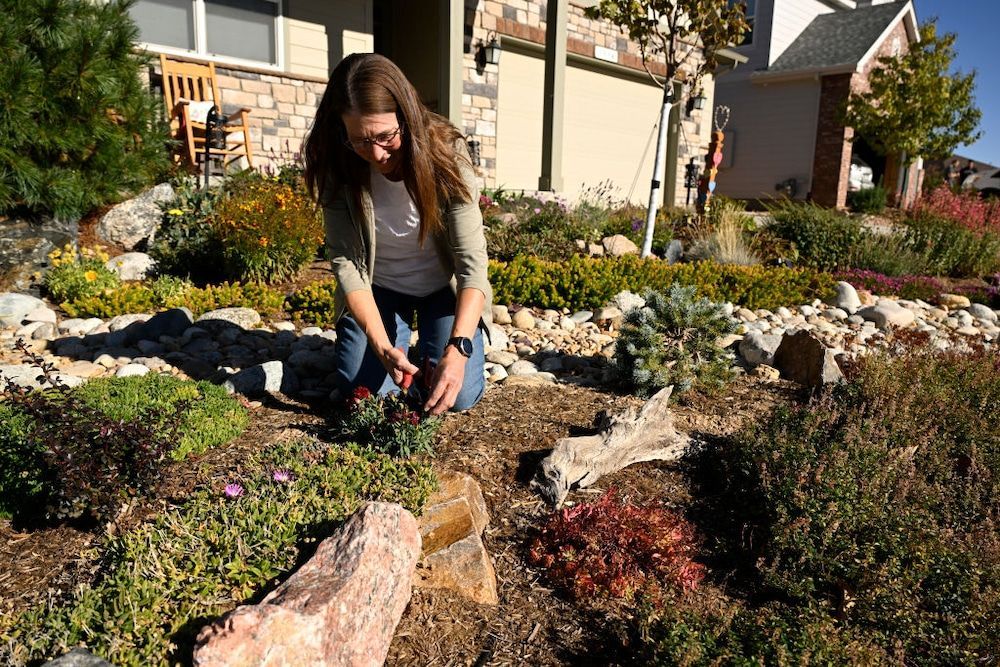
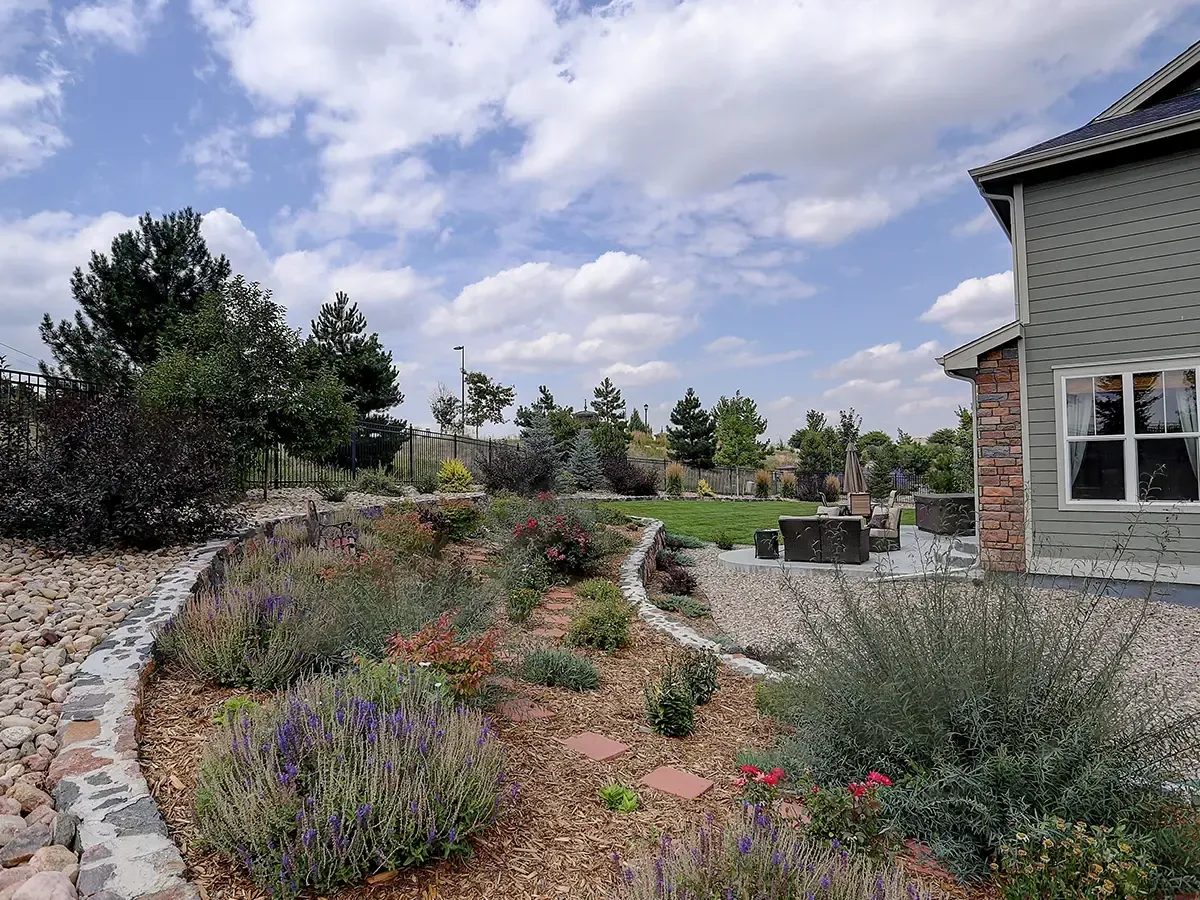
To put that in concrete terms: the average American household uses roughly 320 gallons of water per day, and outdoor irrigation accounts for about 30 percent of that in moderate climates and up to 60 percent in hot, dry climates. That's a significant portion of residential water use sitting almost entirely in the yard, and it's the portion most vulnerable to waste — evaporation, overspray, running irrigation on a schedule rather than responding to actual soil moisture, and watering plants that simply aren't suited to the local climate. Xeriscaping attacks each of those inefficiencies simultaneously.
The mechanism behind how much water xeriscaping saves isn't just about choosing different plants — though that matters enormously. It's about designing a landscape that works with local rainfall patterns rather than against them. A well-designed xeriscape groups plants by water need, positions them to take advantage of natural drainage patterns, covers the soil with mulch that dramatically reduces evaporation, and uses drip irrigation that delivers water to roots rather than broadcasting it across a surface where significant percentages evaporate before reaching the soil at all. Each of those design decisions stacks on the others, and together they produce savings that no single intervention achieves alone.
Actual utility data from cities with active xeriscape programs backs this up. Las Vegas, which has the most aggressive turf removal program in the country and has removed hundreds of millions of square feet of ornamental grass in the Las Vegas Valley, has reduced per capita water consumption by more than 40 percent over the past two decades even as the population has grown significantly. Denver Water's studies on converted landscapes have consistently shown 50 to 70 percent water reduction in converted yards. Tucson's xeriscape rebate program has documented similar results across thousands of participating households. These aren't theoretical projections — they're measured outcomes from real conversions in real climates.
The savings translate directly to water bills, which in drought-prone regions have been rising as water becomes scarcer and utilities invest in supply infrastructure. In a city like Phoenix or Albuquerque where tiered water pricing applies — meaning each additional unit of water you use costs more than the last — reducing outdoor irrigation can produce bill savings that are disproportionately large relative to the volume reduction. If you were using enough water to be in the top pricing tier, cutting outdoor use substantially can drop you into lower tiers for all your remaining usage, compounding the financial benefit.
The maintenance-related water savings are worth factoring in too. A traditional lawn requires consistent irrigation through the dry season regardless of conditions — skip it and the lawn dies. A properly established xeriscape can survive on natural rainfall in many climates with little or no supplemental irrigation, which means water savings during dry periods are automatic rather than requiring active management. Established drought-adapted plants have deep root systems that access soil moisture a lawn can't reach, making them genuinely self-sufficient in ways that turf never is.
How much water xeriscaping saves in your specific situation depends on what you're replacing, where you live, and how the xeriscape is designed. Replacing a small strip of lawn in a mild climate saves much less than replacing a half-acre of Kentucky bluegrass in Colorado. A xeriscape with a poorly designed irrigation system that runs on a fixed schedule regardless of rainfall will save significantly less than one with a smart controller that adjusts to weather conditions. The design quality matters — a yard with drought-tolerant plants but bare soil between them, no mulch, and overhead sprinklers isn't realizing anything close to the potential savings.
The consistent finding across utility studies, academic research, and real-world conversion data is that the savings are real, substantial, and lasting. Turf removal and xeriscape conversion is the single highest-impact water conservation measure available to residential homeowners in dry climates — more impactful than low-flow fixtures, shorter showers, or any indoor efficiency measure. The yard is where the water goes, and changing what grows in the yard is how you change the bill.
Get a Free Quote
Get the lawn or garden of your dreams. It’s easier than you think! Contact us today and we’ll beautify your home or commercial property. Call us at 719-414-7100 or send us a message using the form below and we’ll get back to you as soon as we can.
