Does Mulch Actually Help With Water Retention in Dry Climates?
How Much Water Does Xeriscaping Actually Save?
If you're gardening or landscaping in a dry climate and watching your soil crack between waterings, mulch is one of the most practical tools you have. The question of whether mulch helps water retention in dry climates isn't really up for debate among people who work with soil regularly — the answer is a clear yes. The more useful question is how it works and how to use it properly so you're actually getting the benefits.
Here's the core of it: bare soil loses moisture fast. When the sun hits exposed ground, evaporation pulls water out of the top layers quickly, often before plant roots deeper down can make good use of it. Mulch creates a physical barrier between the soil surface and the sun, slowing that evaporation dramatically. Research has shown that mulching can minimize evaporation by up to 28%, while moisture storage in mulched soils has been shown to be between 6.7 and 22% higher than unmulched soil. In a dry climate where every bit of moisture counts, those numbers translate directly into healthier plants and lower water bills.
The Best Xeriscape Plants for the High Desert (That Actually Thrive)
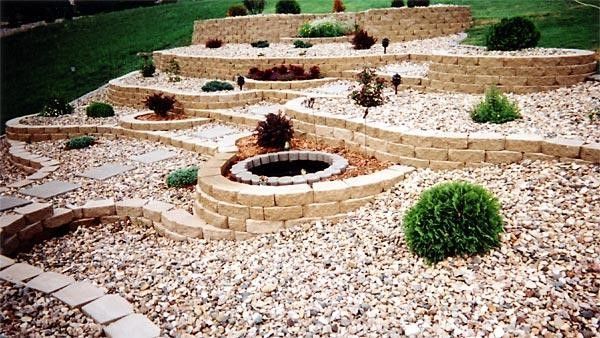
Drought-Tolerant Landscaping
Use low-water plants and smart design to create beautiful, sustainable yards that thrive in dry climates—click to learn how it can save water and reduce maintenance.
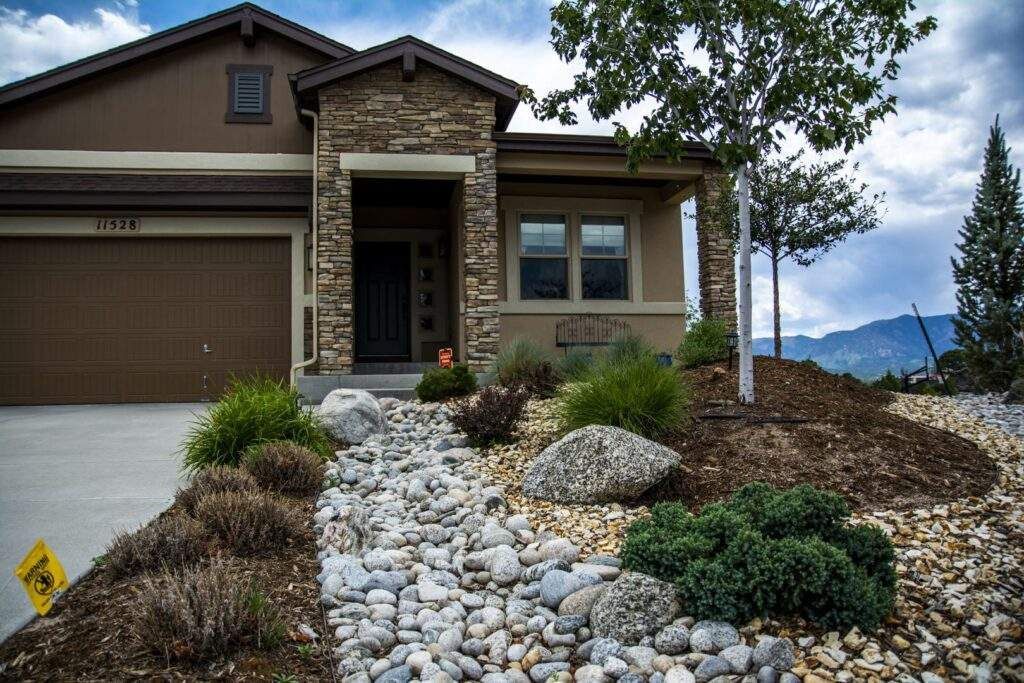
Front & Backyard Design Ideas
Blend function and beauty with customized layouts, plant choices, and hardscape features tailored to your lifestyle—click to explore design inspiration for every outdoor space.
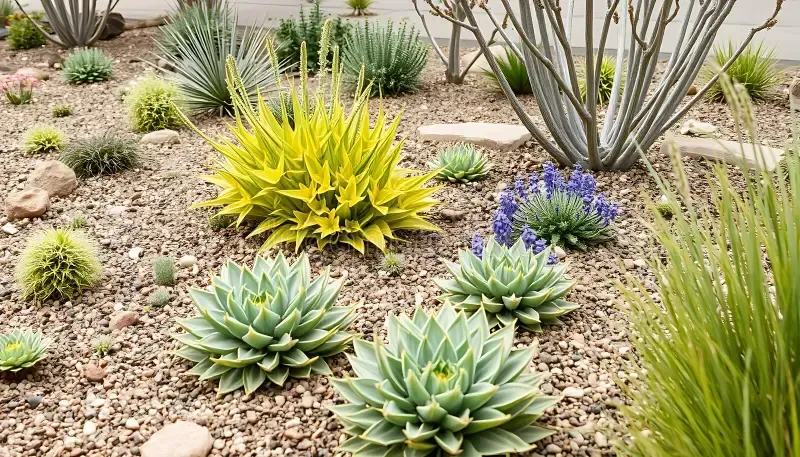
Xeric Garden & Native Plant Installations
Combine low-water, climate-adapted plants with natural design to create thriving landscapes that celebrate local beauty and require minimal upkeep—click to discover how native species can transform your yard.
Commercial & HOA Xeriscaping
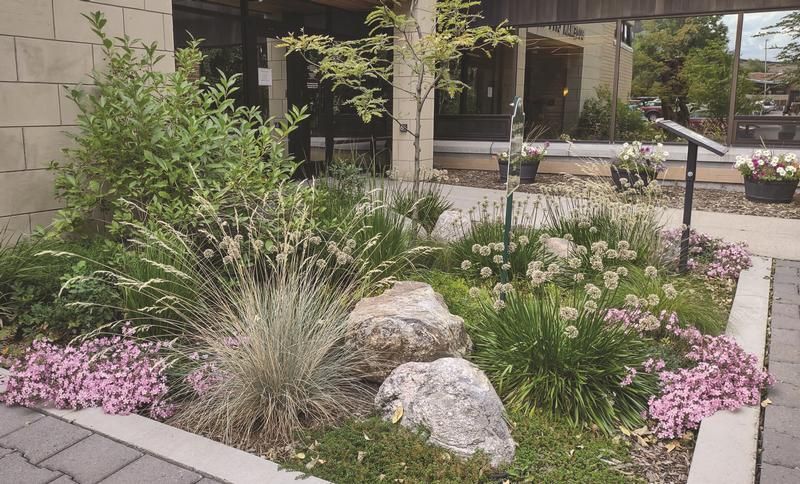
Delivers water-efficient, low-maintenance landscaping solutions tailored for businesses and communities—click to see how xeriscape design enhances curb appeal while cutting irrigation costs.
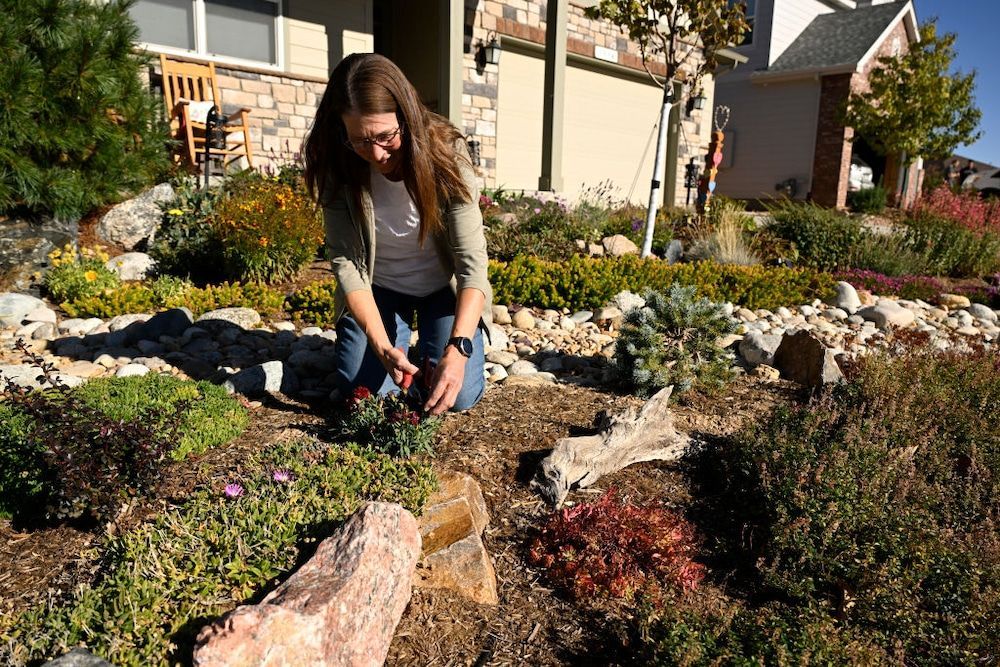
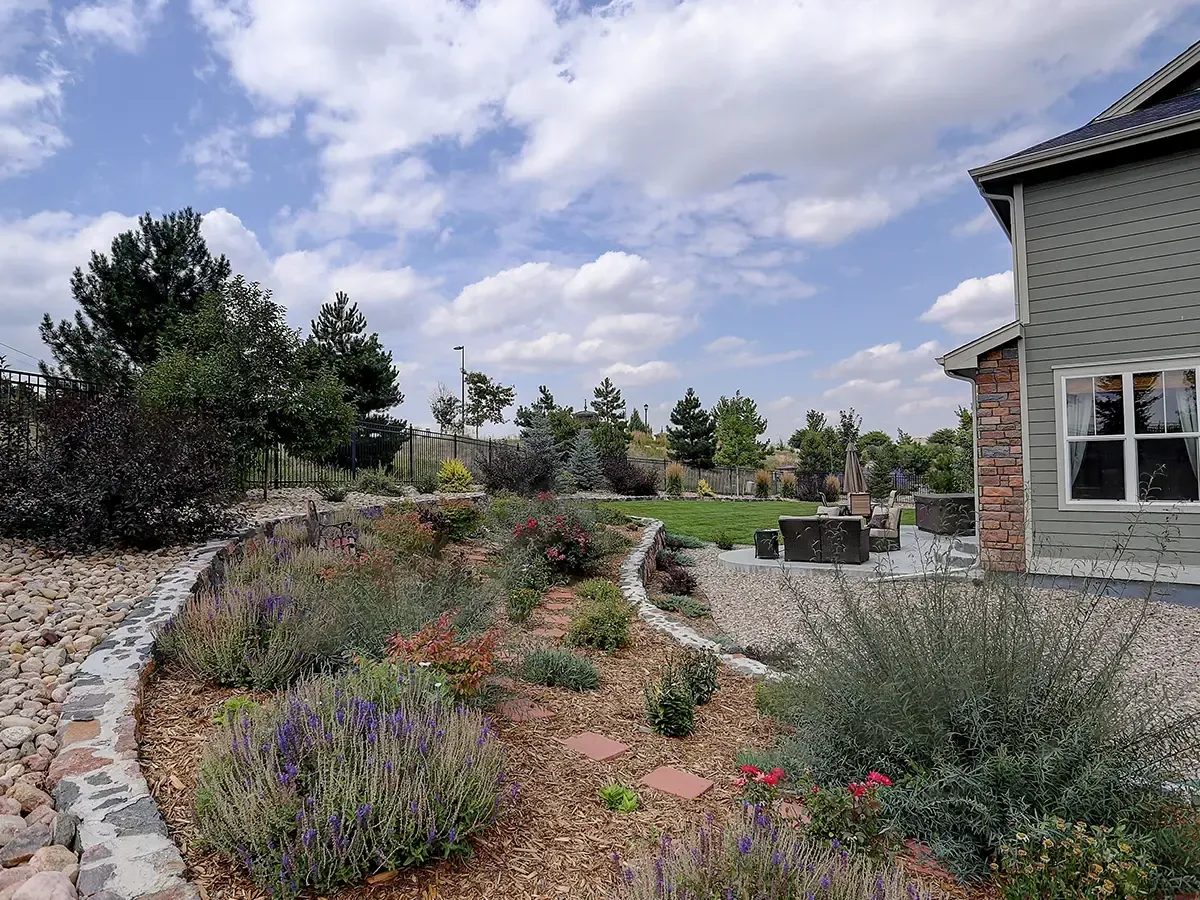
Beyond simply blocking evaporation, mulch does something else that's easy to overlook — it moderates soil temperature. In hot, dry conditions, bare soil can heat up to temperatures that stress root systems and accelerate moisture loss from below the surface. A layer of mulch keeps the soil underneath noticeably cooler, which means the ground retains water longer after each rainfall or irrigation cycle. Mulching is widely used as a water conservation practice in arid areas specifically because it preserves soil moisture, controls temperature, and minimizes soil evaporation rates.
So if you're dealing with a dry climate — whether that's the high heat of a Florida summer, a drought-prone region out west, or anywhere that sees long stretches without meaningful rainfall — mulch helps water retention in a way that compounds over time. As organic mulch breaks down, it adds organic matter to the soil, which improves the soil structure itself and helps it hold water more effectively long-term. It's not just a surface fix; it's an investment in the soil beneath.
What kind of mulch, and how much?
For water retention specifically, organic mulches — wood chips, shredded bark, straw, and compost — generally outperform inorganic options like gravel or rubber. Organic materials absorb some moisture themselves and release it slowly, while also breaking down and improving the soil below. Gravel and stone mulches reflect heat and don't contribute anything to soil health, though they do still reduce surface evaporation to some degree.
Depth matters more than most people realize. A thin half-inch layer isn't going to do much. The standard recommendation for moisture retention is two to four inches of mulch, which is thick enough to meaningfully block evaporation and insulate the soil without being so deep that water has trouble penetrating to the root zone when it does rain. If you pile mulch six or eight inches deep, you can actually start to repel water rather than help it reach the soil — so more isn't always better.
One common mistake is letting mulch touch the base of plants or tree trunks directly. Keep a small gap around stems and trunks to prevent moisture buildup against the plant itself, which can cause rot and invite pests. The goal is to retain moisture in the soil, not trap it against plant tissue.
What you can realistically expect
Mulch isn't a substitute for adequate watering in a genuinely arid environment — but it can meaningfully reduce how often you need to water and how much you use each time. For landscaping in hot climates, it's one of the simplest and most cost-effective changes you can make. The combination of reduced evaporation, cooler soil temperatures, weed suppression — weeds compete directly for soil moisture — and improving soil structure over time makes mulch one of those rare things in gardening that pays off in multiple ways at once.
If you're in a dry climate and not mulching your beds, you're essentially watering your soil and then leaving the tap running. A proper layer of organic mulch gives that water somewhere to stay.
The consistent finding across utility studies, academic research, and real-world conversion data is that the savings are real, substantial, and lasting. Turf removal and xeriscape conversion is the single highest-impact water conservation measure available to residential homeowners in dry climates — more impactful than low-flow fixtures, shorter showers, or any indoor efficiency measure. The yard is where the water goes, and changing what grows in the yard is how you change the bill.
Get a Free Quote
Get the lawn or garden of your dreams. It’s easier than you think! Contact us today and we’ll beautify your home or commercial property. Call us at 719-414-7100 or send us a message using the form below and we’ll get back to you as soon as we can.
